Top 7 Tips to Avoid Costly Driveway Installation Mistakes in Jacksonville
A new driveway is a major home investment that boosts curb appeal and makes daily life easier. Too many Jacksonville homeowners learn the hard way when avoidable mistakes lead to repairs and frustration. This guide gives you straightforward, practical tips to prevent those costly errors—how to pick the right contractor, choose durable materials suited to Florida, and keep your driveway performing for years. Follow these steps and you’ll save time, money, and headaches while getting a beautiful, long-lasting driveway. For more on professional options, see our home page.
How to Choose the Best Driveway Contractor in Jacksonville?
Hiring the right contractor is the single best way to avoid installation problems. A reputable team delivers quality work, clear communication, and solutions that fit Jacksonville’s climate and soil. Use the checklist below when evaluating contractors for your driveway installation.
What qualifications and experience should a reliable contractor have?
Choose contractors who are licensed and insured—those basics protect you if something goes wrong. Prefer companies with local experience; contractors who work in Jacksonville know how heat, humidity, and sandy soil conditions affect concrete and pavers. Ask for recent project photos, client references, and a clear written estimate so you can judge workmanship and consistency.
How to verify contractor licenses and customer reviews?
Verify licensing on the Florida Department of Business and Professional Regulation website and ask the contractor to show proof of insurance. Read reviews on Google, Yelp, and local community forums, looking for recurring praise or complaints about quality, timeliness, and communication. Call references and, when possible, visit recent jobs to see results first-hand—patterns in feedback tell the real story.
A careful selection process—one that screens contractors for past performance and qualifications—greatly reduces the risk of project issues.
Performance-Based Contractor Prequalification for Driveways
The literature review found that most performance-based contractor prequalification systems rely on structured evaluation strategies. It also discusses how qualification and evaluation techniques from construction selection processes can be applied to contractor choice for driveway projects.
What Are the Common Driveway Installation Mistakes to Avoid in Jacksonville?
Knowing the typical mistakes helps you plan smarter and avoid repairs later. Below are the most common pitfalls we see in local projects and how to prevent them.
Why is improper site preparation costly?
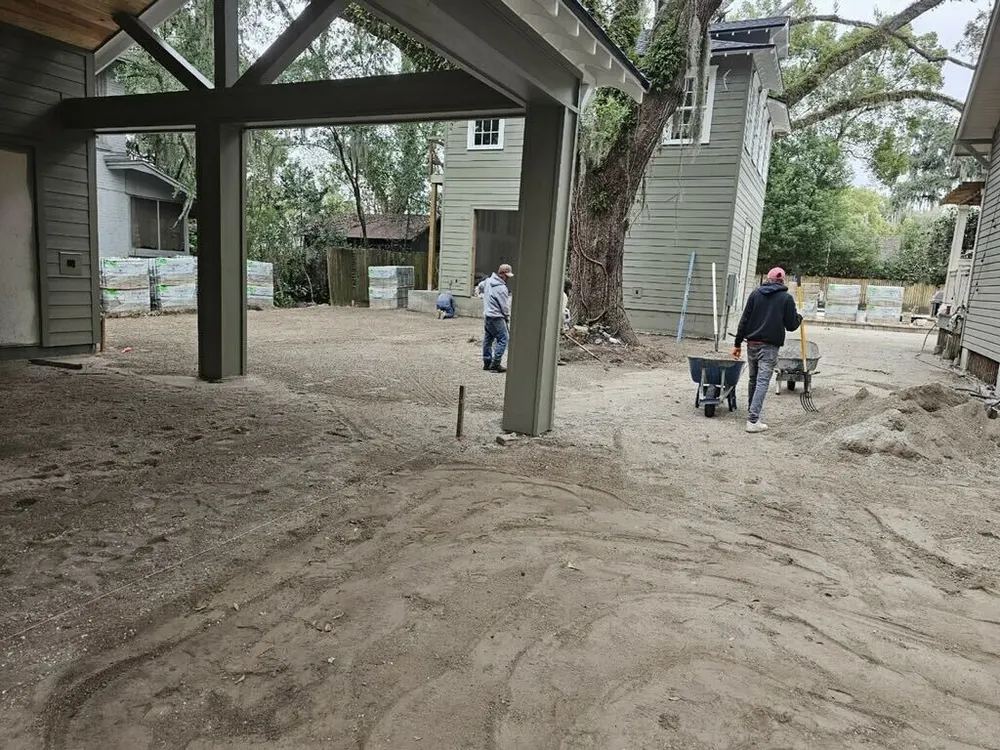
Poor site prep is one of the leading causes of driveway failure. If the contractor skips proper clearing, grading, and compaction, the surface can settle, drain poorly, or crack. Standing water undermines the base and shortens the driveway’s life. Proper preparation means removing debris and vegetation, grading for positive drainage, and compacting the subgrade before laying the base material.
Getting site preparation and foundational design right up front prevents many problems down the road.
Best Practices for Driveway Design & Construction
The guidance covers practical project setup to meet specifications, including evaluation of soil conditions. Concepts like Soil Factor and R-Value—used to assess design soil—have long been part of pavement and driveway design practice.
How can poor material selection lead to driveway problems?
Material choice matters in Florida’s heat and humidity. Choosing the wrong material can lead to rapid deterioration. Select high-quality concrete or pavers rated for local traffic loads and weather conditions. The right material plus proper installation is what delivers a long-lasting driveway.
Which Materials Are Best for Durable Driveways in Florida’s Climate?
Florida’s climate pushes some materials harder than others. Below is a straightforward comparison of the top driveway choices and what to expect from each in our region.
Why Concrete and Pavers Outperform Asphalt
While asphalt is sometimes considered for its lower initial price point, it often fails to hold up against concrete and pavers in the long run, particularly in Florida.
- Concrete: Offers a solid, monolithic surface that reflects heat and resists the rutting that softer asphalt driveways often suffer from in high temperatures. It typically provides a service life of 25–40 years with minimal maintenance.
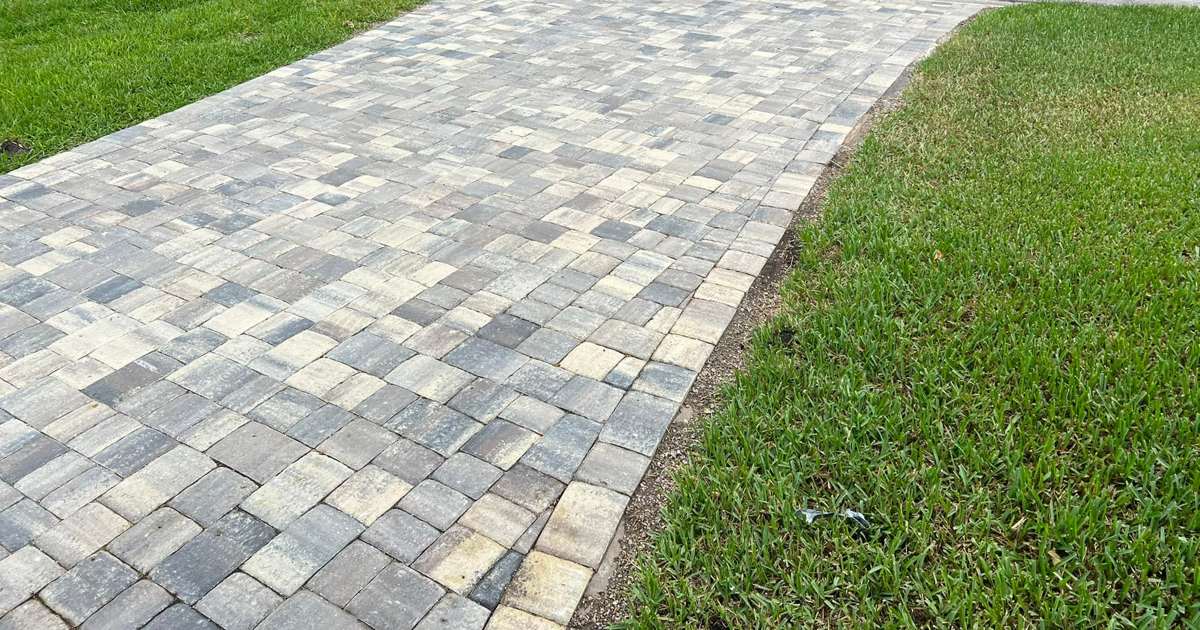
- Pavers: Provide superior flexibility. Unlike asphalt, which cracks as the ground shifts, pavers can move slightly with the earth without breaking. If a paver does crack, you can simply replace that single stone rather than patching a large section of blacktop.
How does Florida weather affect driveway material performance?
Heat, sun, and heavy rains all influence how driveway materials age. High humidity and frequent storms increase moisture exposure and can hasten wear. Concrete tends to hold up well when the base is prepared correctly, resisting UV damage far better than asphalt. Pavers also excel here, as their joints allow for natural water runoff, reducing the puddling often seen on solid surfaces.
How to Prevent Costly Driveway Paving Errors in Jacksonville?
Careful planning and a disciplined paving process prevent most installation mistakes. Pay attention to these essential steps and confirm your contractor follows them.
What are the essential steps for proper driveway paving?
- Site Preparation: Clear vegetation and grade the surface so water drains away from the driveway.
- Base Layer Installation: Install a compacted base of crushed stone to create a stable foundation.
- Paving: Pour the concrete to the correct thickness or lay pavers in the chosen pattern with proper edge restraints.
- Finishing Touches: Allow time for proper curing (for concrete) or sanding/sealing (for pavers).
Following these steps reduces the chance of cracking, settling, or drainage problems later.
How does drainage design impact driveway longevity?
Good drainage is crucial. If water pools on or near the driveway, it weakens the base and leads to sinking or shifting pavers. Planning gentle slopes, adding swales, or installing French drains where appropriate will divert water away from the pavement and extend the driveway’s life. Talk drainage options through with your contractor before work begins.
What Maintenance Tips Help Avoid Expensive Driveway Repairs?
Routine maintenance keeps a driveway working longer and prevents small issues from becoming big repairs. Use these simple practices to protect your investment—see our replacement services if repair isn’t enough.
How often should you inspect and seal your driveway?
Inspect your driveway at least twice a year for cracks, settling, or surface wear.
- Concrete: May benefit from sealing every 3-5 years to prevent staining.
- Pavers: Should be re-sanded and sealed every 3-5 years to stabilize the joints and protect the color.
What are early signs of driveway damage to watch for?
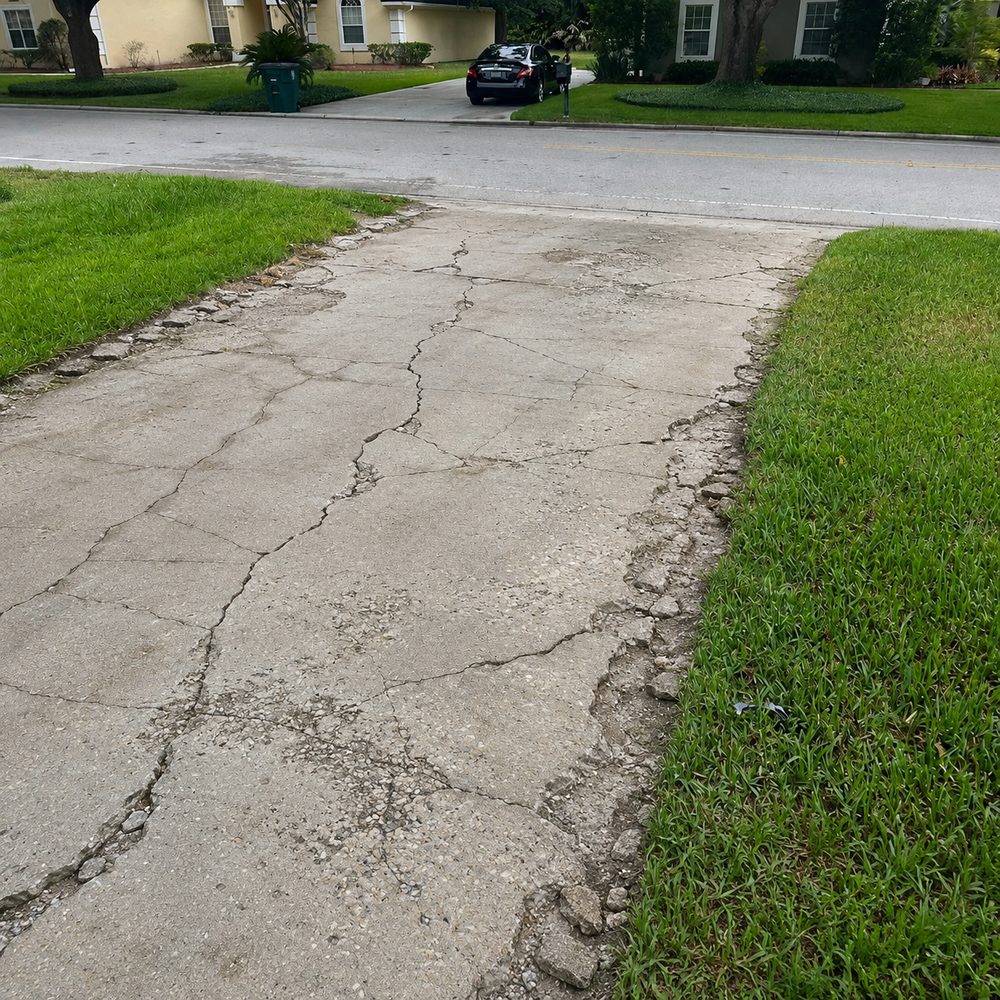
- Cracks: In concrete, seal them early to prevent water intrusion.
- Settling/Sinking: In pavers, this indicates base failure; lift the stones and re-compact the base immediately.
- Discoloration: Noticeable fading or staining may mean surface protection is wearing thin and sealing is due.
| Material Type | Pros | Cons |
|---|---|---|
| Concrete | Durable, low maintenance, reflects heat | Can crack if base shifts, difficult to repair seamlessly |
| Pavers | Attractive, flexible (won’t crack like slabs), easy individual repairs | Higher upfront cost, requires occasional re-sanding |
| Maintenance Task | Frequency | Importance |
|---|---|---|
| Inspect for cracks/loose stones | Twice a year | Catch problems early |
| Seal driveway | Every 3-5 years | Protects surface from moisture, stains, and UV |
| Clean debris and leaves | Monthly | Prevents organic staining and mold growth |
If you need more space or better flow, a driveway extension can add parking and improve access—another smart way to increase your home’s value when planned and installed correctly.
Take a proactive approach: plan well, hire a qualified contractor, pick durable materials like concrete or pavers, and maintain your driveway regularly. Those steps will help you avoid costly mistakes and keep your driveway looking and working its best for years.
Frequently Asked Questions
What should I consider when planning my driveway installation budget?
When budgeting, include material costs (pavers vs. concrete), labor, and any extras like drainage work or decorative finishes. Factor in site prep—tree removal, grading, or demolition of an old driveway can add cost. Get multiple written estimates, and set aside a contingency of about 10–15% to cover unforeseen items.
How can I ensure my driveway installation meets local regulations?
Check with Jacksonville’s city planning or building department for permit requirements and zoning rules (such as setback distance from the property line) before work begins. A local contractor should understand these rules and pull any needed permits.
What are the benefits of using permeable pavers?
Permeable pavers reduce stormwater runoff by letting water soak through the joints into the ground. That lowers flood risk on your property, helps recharge groundwater, and filters pollutants. They are an attractive, eco-friendly option that meets many strict drainage codes in Florida.
How can I choose the right driveway design for my home?
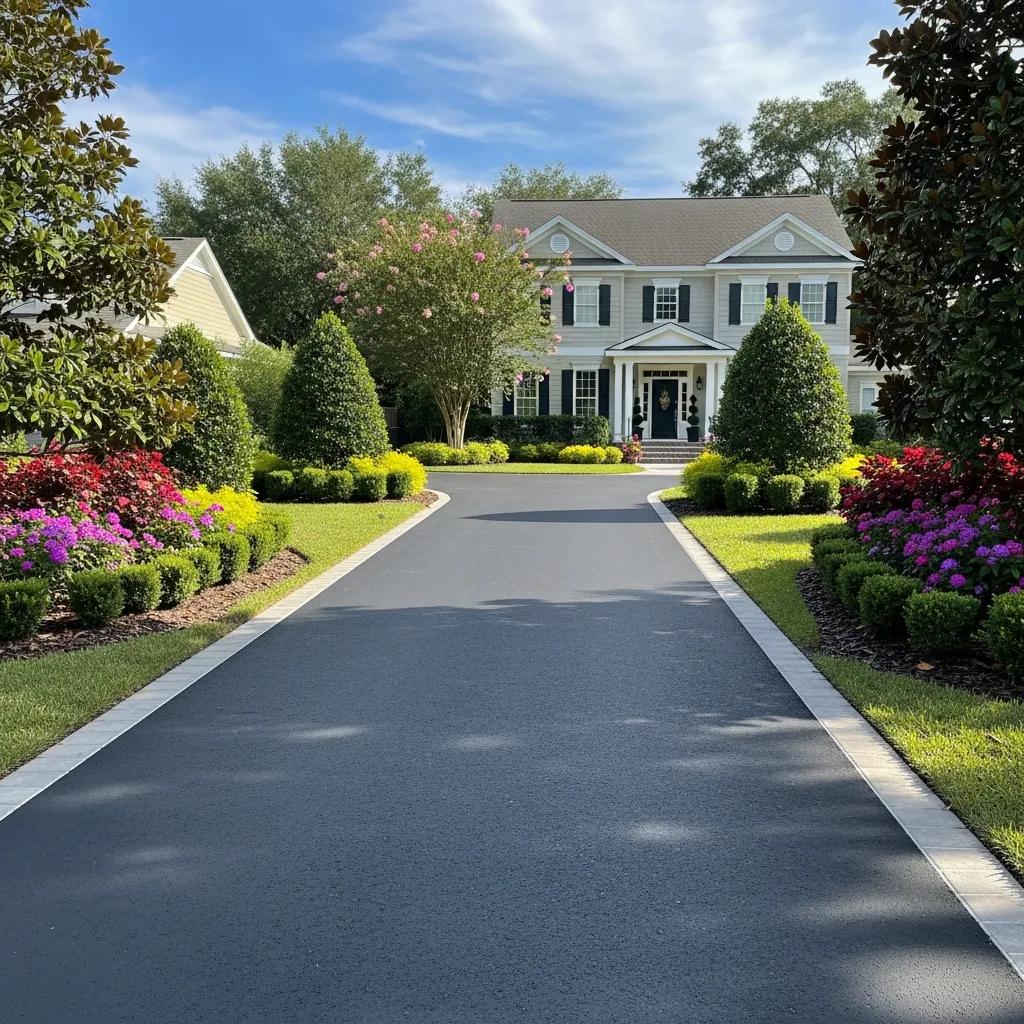
Match the driveway to your home’s style. Concrete offers a clean, modern aesthetic, while pavers provide a classic, upscale look. Consider layout—straight drives are space-efficient, while circular drives can improve traffic flow and curb appeal. A contractor or designer can sketch options and recommend materials that fit both style and budget.
What maintenance practices can extend the life of my driveway?
Keep the surface clean, repair concrete cracks quickly, re-sand pavers if joints become empty, and avoid parking extremely heavy equipment on residential driveways. Maintain nearby drainage so water doesn’t pool.
Are there eco-friendly options for driveway materials?
Yes. Permeable pavers allow water to infiltrate the soil rather than creating runoff. Recycled crushed concrete can be used for the base material. Light-colored concrete and pavers also reduce the “heat island effect” compared to dark asphalt, keeping your property cooler.