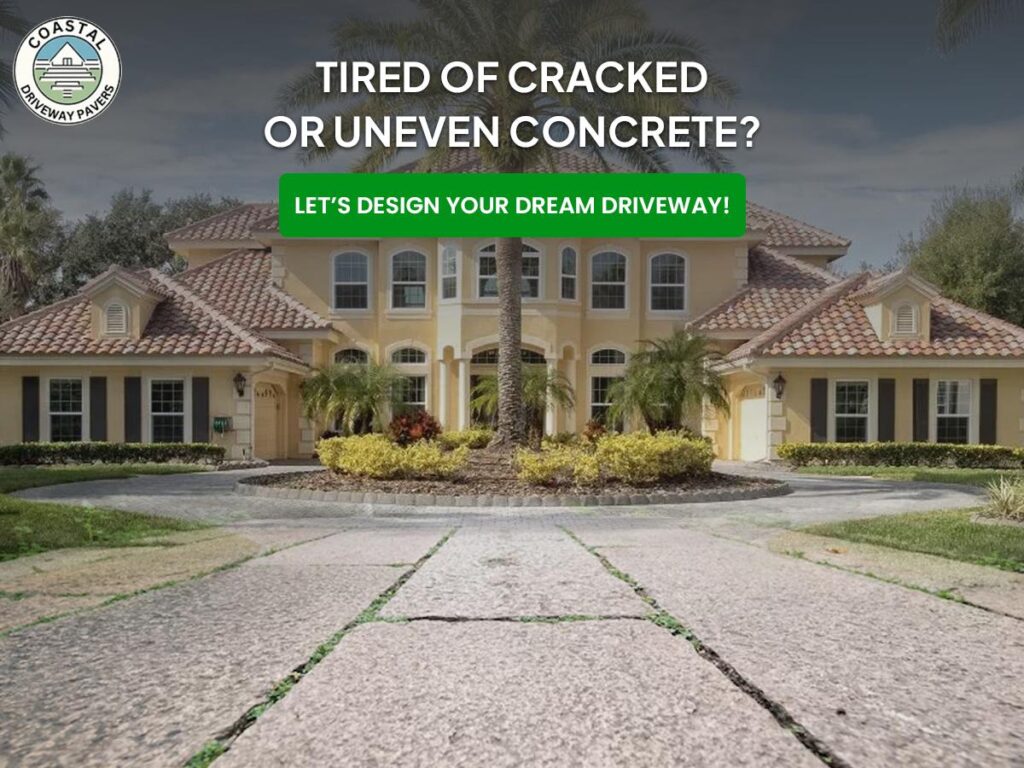
Discover Your Financing Options for Driveway Paving Services in Jacksonville, FL Today!
Securing the right financing reduces upfront driveway paving costs and makes home improvements more achievable. Homeowners in Jacksonville, FL want durable, quality installations but often face significant initial expenses. This guide outlines home improvement loans, contractor payment plans, and local financing so you can pick the option that fits your budget.
What Financing Options Are Available for Driveway Paving in Jacksonville?
Several methods help manage driveway paving costs: home improvement loans, contractor payment plans, and lender or contractor-arranged financing. Each has different benefits and eligibility rules, so weigh them against your finances.
Home improvement loans typically carry lower interest than credit cards and suit larger projects. Flexible payment plans spread costs over time. Local contractors, such as Florida Driveway Pavers, may offer tailored financing to reduce upfront strain.
Understanding Home Improvement Loans for Driveway Projects
Home improvement loans fund renovations like driveway paving and come as secured or unsecured products. Secured loans use collateral (often your home) and usually offer lower rates; unsecured loans don’t require collateral but often cost more.
Applications typically require income verification and credit information. Compare loan types, rates, and fees to find the option that fits your budget and project size.
Exploring Flexible Payment Plans for Paver Driveways
Flexible payment plans let homeowners pay in installments to ease cash flow. Many contractors tailor plans to match project timelines and budgets.
Key benefits include:
- Budget Management: Spread the cost over months to simplify budgeting.
- No Large Upfront Payment: Avoid a big initial payment and free funds for other needs.
- Accessibility: Many contractors offer these options, increasing your choices.
Compare available plans to find one that supports your financial goals while delivering the driveway you need.
How Can You Apply for Jacksonville Driveway Paving Loans?
Applying for driveway paving loans follows clear steps. Prepare in advance and submit complete information to improve approval odds:
- Research Lenders: Compare local lenders on interest rates, terms, and eligibility.
- Gather Documentation: Collect proof of income, credit history, and project details.
- Submit Application: Provide accurate information and required documents.
- Loan Approval: The lender will review your file and may request more details; if approved, review the terms.
- Receive Funds: Accept the loan and receive funds to begin the project.
Completing these steps carefully streamlines the process and improves your chances of securing financing.
Step-by-Step Guide to Loan Application and Approval
Understanding each stage helps improve your likelihood of approval. Typical steps include:
- Pre-qualification: Get an estimate of how much you can borrow.
- Complete Application: Submit accurate, current information.
- Credit Check: Lenders review credit history to set terms.
- Review Terms: Examine interest rates, repayment schedules, and fees before agreeing.
- Finalize Loan: Sign documents to complete the agreement.
Have documentation ready and review each stage to secure the best possible terms.
Eligibility Criteria and Documentation Requirements
Lenders assess eligibility using criteria such as credit score, income, and debt-to-income ratio. Typical requirements include proof of income, bank statements, and identification.
- Credit Score: Many lenders expect a minimum score (often around 620).
- Income Verification: Stable income demonstrates ability to repay.
- Debt-to-Income Ratio: Lenders check this to ensure you can manage new debt.
Documentation may include:
- Recent pay stubs or tax returns
- Bank statements
- Identification documents
Review lender requirements early so you can present a complete application.
What Are the Costs and Budgeting Tips for Driveway Paving Financing?
Costs depend on material, size, and design. Use budgeting strategies to control expenses and protect long-term value.
- Get Multiple Quotes: Obtain several estimates to compare prices and services.
- Plan for Contingencies: Reserve an extra 10–20% for unexpected costs.
- Consider Long-term Value: Higher-quality materials can reduce maintenance and last longer.
Careful budgeting and comparing contractors help keep your project on schedule and within financial limits.
Local Contractors Offering Competitive Financing Solutions
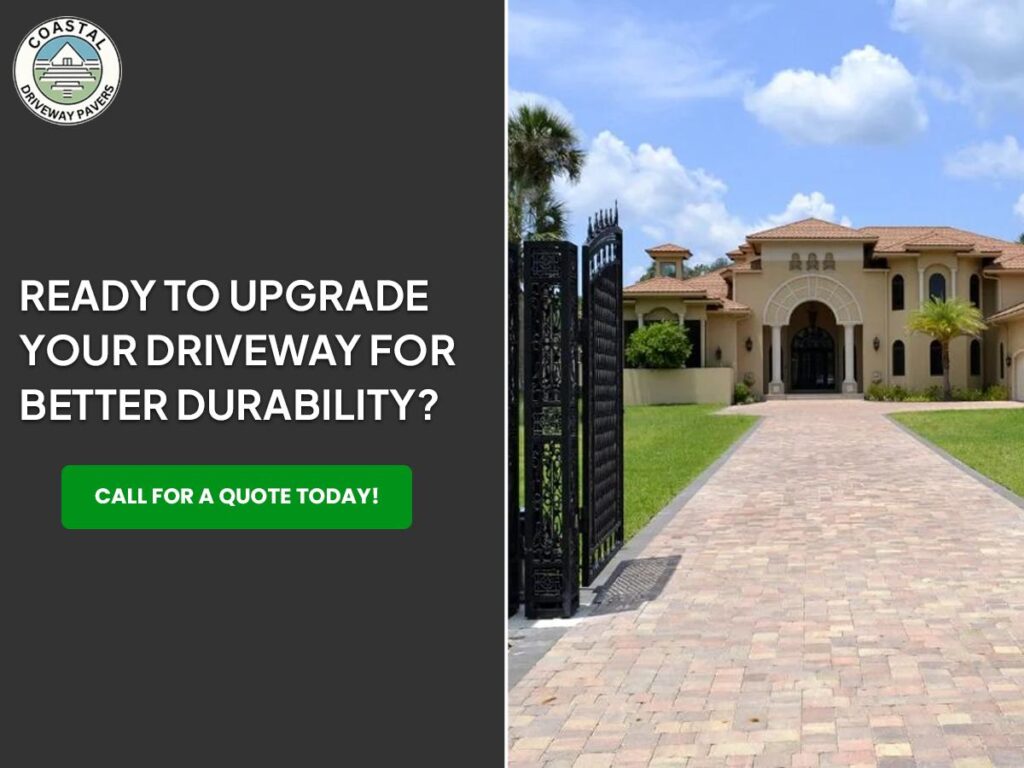
Many Jacksonville contractors offer financing for driveway paving. Driveway paving services may include payment plans or loan partnerships tailored to project needs. When selecting a contractor, check reputation, financing offerings, and experience.
- Reputation: Read reviews and testimonials to gauge reliability and quality.
- Financing Options: Ask about payment plans and lender relationships.
- Experience: Prefer contractors with a proven driveway paving track record.
Working with reputable local contractors increases the chance of clear terms and reliable installation.
Comparing Payment Plans and Loan Offers in Jacksonville
Compare offers systematically to support your financial goals and project timeline:
- Interest Rates: Lower rates reduce total repayment.
- Repayment Terms: Match term length to your budget.
- Fees and Charges: Check origination fees, prepayment penalties, and other costs.
A clear comparison of rates, terms, and fees helps you choose financing that protects your budget while delivering quality results.
Many homeowners also consider driveway replacement to boost curb appeal and value; because replacement can be costlier, understanding financing is essential. Some opt for a driveway extension to add parking or accessibility, which can also be financed.
Frequently Asked Questions
What factors should I consider when choosing a financing option for driveway paving?
Weigh interest rates, repayment terms, fees, and whether the loan is secured or unsecured. Check your credit score and income stability, and choose a payment schedule that fits your cash flow.
How can I improve my chances of loan approval for driveway paving?
Raise approval odds by reducing outstanding debt, making timely payments to boost your credit score, and gathering complete documentation (proof of income, project details). Pre-qualification can clarify borrowing capacity.
Are there any government programs available for financing home improvements like driveway paving?
Yes. Programs such as the FHA 203(k) may cover purchase-plus-renovation costs. Local authorities sometimes offer grants or low-interest loans—check Jacksonville housing resources for details.
What are the potential risks of financing driveway paving projects?
Risks include higher overall costs if rates are high, damage to credit from missed payments, and the potential loss of collateral with secured loans. Choose financing you can reliably service.
How do I find reputable contractors for driveway paving financing?
Research local firms, read customer reviews, ask for recommendations, and request multiple written quotes. Confirm financing terms are transparent before signing.
What should I do if I encounter unexpected costs during my driveway paving project?
Discuss options with your contractor—adjust scope or timeline if possible. Use a contingency fund (10–20% of the budget) and, if necessary, consult your lender about additional financing to avoid financial strain.