When it comes to home improvements, one question that often arises is whether the cost justifies the value. This is particularly true for driveway pavings. With a variety of materials available, each with its price range and benefits, it’s crucial to understand whether investing in paving services is truly worth it. In this article, we’ll explore the costs and values of different types of driveway pavers, helping you make an informed decision.
Understanding Driveway Pavings
Investing in paver drivewayinstallations serves both functional and aesthetic purposes. They provide a stable surface for vehicles and enhance the curb appealof your property. However, the decision to pave a driveway is not just about aesthetics; it’s about evaluating long-term value against initial costs.
Types of Paver DrivewayOptions
Brick Pavers
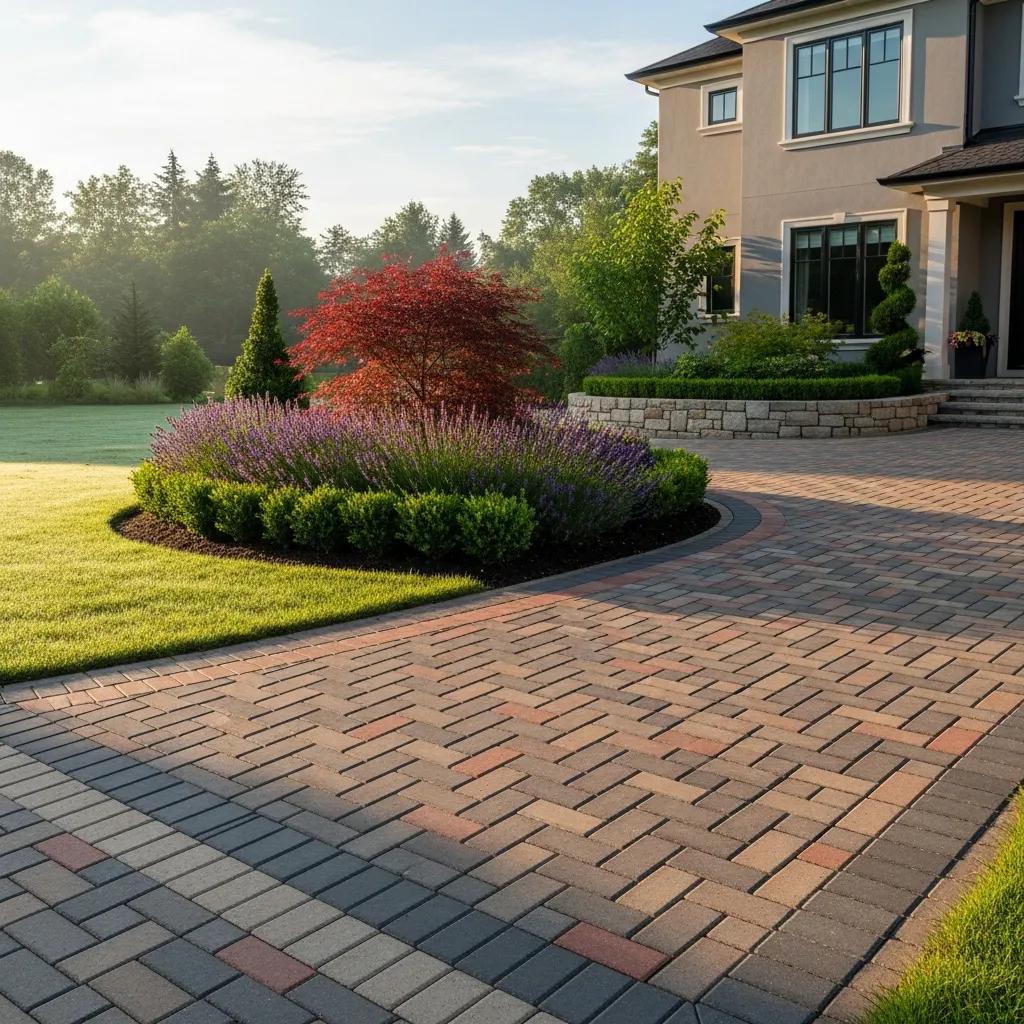
Brick paversare one of the most popular choices of pavers as they offer a classic and timeless look, adding a touch of elegance to any driveway. They are known for their durability and can withstand various weather conditions. The cost of brick pavers ranges between$2 and $6 per square foot, making them a relatively affordable option. Additionally, brick pavers are eco-friendly, as they are made from natural clay and can be recycled.
Concrete Pavers
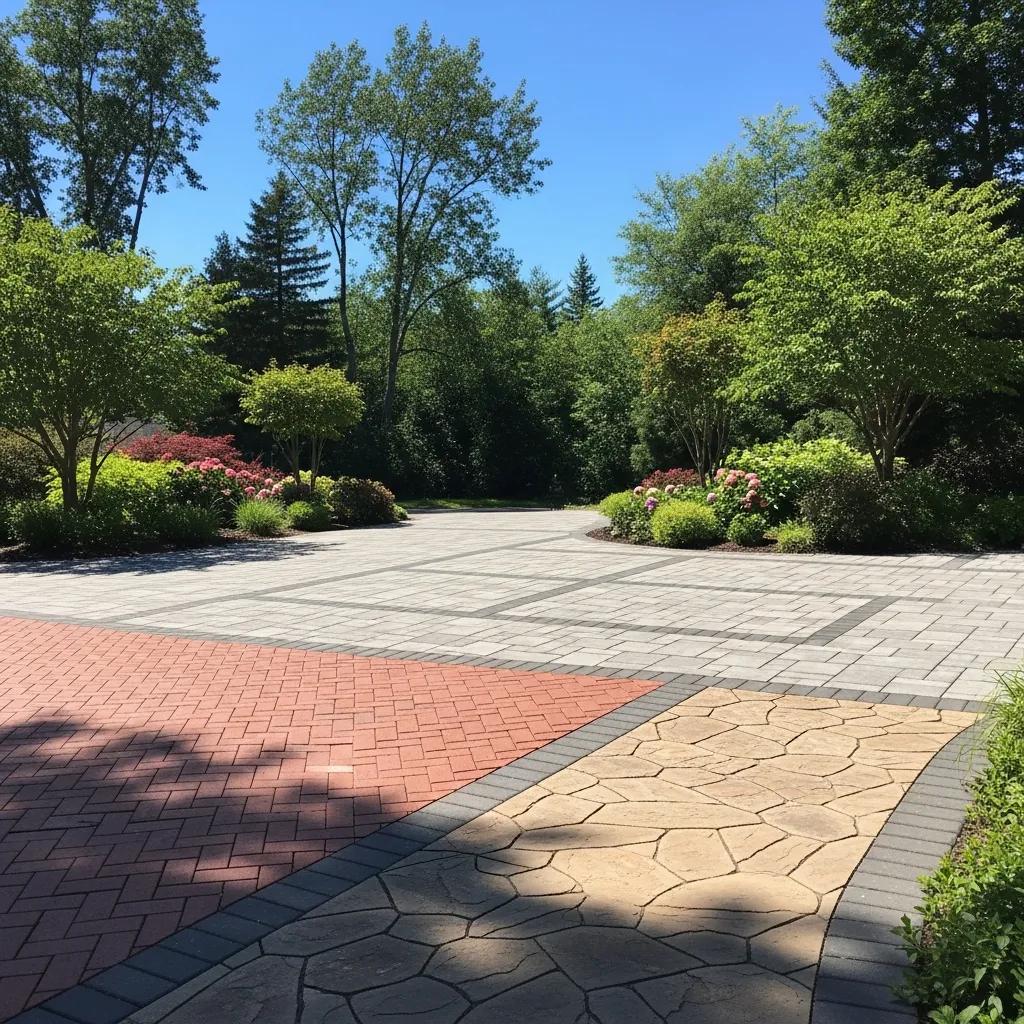
Concrete drivewaypaversare also among the most popular driveway paving materials due to their strength and versatility. They come in a variety of colors, shapes, and styles, allowing for creative designs. However, they are on the higher end of the cost spectrum, ranging from $8 to $15 per square foot.
Investing in paver concrete driveway installations can give you the ability to mimic the appearance of natural stone or brick, providing a customizable aesthetic while maintaining a durable surface that can last for decades with proper maintenance.
Porcelain Pavers
Porcelain pavers are a newer option in driveway paving projects, known for their high durability and sleek appearance. They can mimic the look of natural stone or wood, providing a luxurious finish. The price for porcelain pavers varies significantly, from$3 to $35 per square foot, depending on the quality and design. The smooth surfaceof porcelain driveway pavings is resistant to staining, scratching, and fading, making them an excellent long-term investment for high-traffic areas.
Natural Stone Pavers
Natural stone pavers, such as granite, slate, or limestone, are the epitome of elegance and durable driveways. They offer a variety of styles with a unique, natural look that can’t be replicated by synthetic materials.
This type of drivewaywill reflect its premium quality and aesthetic appealwith a price of $5 and $35 per square foot. Each type of stone offers distinct characteristics in terms of color, texture, and durability, allowing homeowners to choose a material that best suits their style and needs.
Cost Analysis: Initial Investment
When considering a brand-new drivewaypaving, the initial cost is a major factor. Here’s a breakdown:
- Brick Pavers: $2 to $6 per square footfor
- Concrete Pavers: $8 to $15 per square foot
- Porcelain Pavers: $3 to $35 per square foot
- Natural Stone Pavers: $5 to $35 per square foot
These costs can add up quickly, especially for larger driveways. For example, for a 500-square-foot driveway ranges an average costof $1,000 and $3,000 if paved with bricks, while the same area with concrete pavers would range from $4,000 to $7,500.
Value Assessment: Long-term Benefits
While the initial cost is important, assessing the long-term benefits is crucial to understanding the true value of driveway pavings.
Durability and Maintenance
- Brick Pavers: Known for their longevity, brick pavers can last for decades with minimal maintenance. This type of materialis resistant to cracking and can be easily replaced if damaged.
- Concrete Pavers: Highly durable but may require sealing to maintain their appearance. They are less prone to shifting compared to brick and can withstand heavy loads.
- Porcelain Pavers: Extremely durable and resistant to stains and scratches, requiring little maintenance. Their low porosity means they are less likely to need crack filling, absorb water, and are frost-resistant, making them ideal for both warm and colder climates.
- Natural Stone Pavers: These are an excellent optionwhen it comes to durability, withstanding up to29,000 psiin compressive strength testswith granite. It also offers a timeless look but may need periodic sealing. Especially for warmer climates. Each type of stone has specific maintenance needs, but generally, they are easy to clean and maintain.
Curb Appealand Resale Value
A well-paved driveway significantly enhances the curb appealof a property, which can increase its resale value. Prospective buyers often appreciate the aesthetic and functional benefits of a paved driveway, making it a worthwhile investment.
- Brick Pavers: The classic look of brick can enhance the charm and appeal of traditional homes.
- Concrete Pavers: Their versatility allows for a wide rangeof designs that can complement modern and contemporary homes.
- Porcelain Pavers: Their sleek and sophisticated appearance can add a luxurious touch to any property.
- Natural Stone Pavers: The unique and natural beauty of stone pavers can significantly boost the curb appealof high-end properties.
Environmental Impact
When choosing driveway pavers, it’s also important to consider whether it is an eco-friendly option.
- Brick Pavers: Made from natural clay, brick pavers are eco-friendly and can be recycled.
- Concrete Pavers: The production of concrete has a higher environmental footprint, but permeable options are available that allow for better water drainage.
- Porcelain Pavers: Often made from recycled materials, porcelain pavers are a sustainable choice.
- Natural Stone Pavers: Sourced directly from the earth, natural stone pavers have a minimal environmental impact, especially if locally sourced.
Installation Considerations
The installation process can also influence the overall cost and value of driveway pavings. With this, it is much more dynamic whencomparing DIY vs professional installation costs. However, opting for professional driveway installers is recommended to ensure the durability and proper alignment of each paver.
- Brick Pavers: Relatively easy to install, can be a DIY project for experienced homeowners.
- Concrete Pavers: Requires professional installation for optimal results, especially for intricate designs.
- Porcelain Pavers: Due to their fragility during handling, professional installation is highly recommended.
- Natural Stone Pavers: Installation can be complex and labor-intensive, often requiring professional expertise.
Weighing the Pros and Cons of Driveway Paving InvestmentsConclusion
Investing in driveway pavings can be a substantial expense, but the long-term value often outweighs the initial cost. By choosing the right material that suits your budget and preferences, you can enhance your property’s curb appeal, durability, and overall value. Whether you opt for the classic charm of brick, the versatility of concrete, the luxury of porcelain, or the natural elegance of stone, driveway pavings are indeed a good investment.
If you’re ready to invest in something that will last a lifetime and are looking for a reputable contractor, feel free tocontact Coastal Driveway Paversfor your paver needs. Our work is backed by extensive warranties, we also process permits and adhere to local regulations for you – ensuring that your switch to pavers is hassle-free.
Frequently Asked Questions
Concrete and natural stone paversare among the most durable options. Concrete pavers can withstand heavy loads and harsh weather conditions, while natural stone pavers offer unmatched strength and longevity.
Yes, driveway pavers can significantly increase property value by enhancing curb appealand providing a durable, low-maintenance surface.
Brick pavers can last for20-30 yearsfor residential applications or similar types of traffic. This is considering they are properly maintained. They are resistant to cracking and can be easily replaced if damaged.
Porcelain pavers require minimal maintenanceand seal coatings. They are resistant to stains and scratches, and their low porosity means they are less likely to absorb water or suffer from frost damage.
While some types of pavers, like brick, can be installed by experienced DIY enthusiasts, a professional contractoris recommended for concrete, porcelain, and natural stone pavers to ensure durability and proper alignment.
Natural stone pavershave a minimal environmental impact, especially if sourced locally. This durable materialis a sustainable choice compared to synthetic options, which may have higher production footprints.

Written By: