
How to Extend the Life of Your Driveway Pavers in Jacksonville
Proper maintenance extends the service life of driveway pavers while preserving appearance and function. Jacksonville’s humidity, heat and seasonal storms accelerate wear, so this guide outlines practical strategies—sealing, cleaning, repairs, weed control and seasonal maintenance—tailored to Florida conditions to help protect your investment and maintain curb appeal.
Sealing Benefits and Product Recommendations
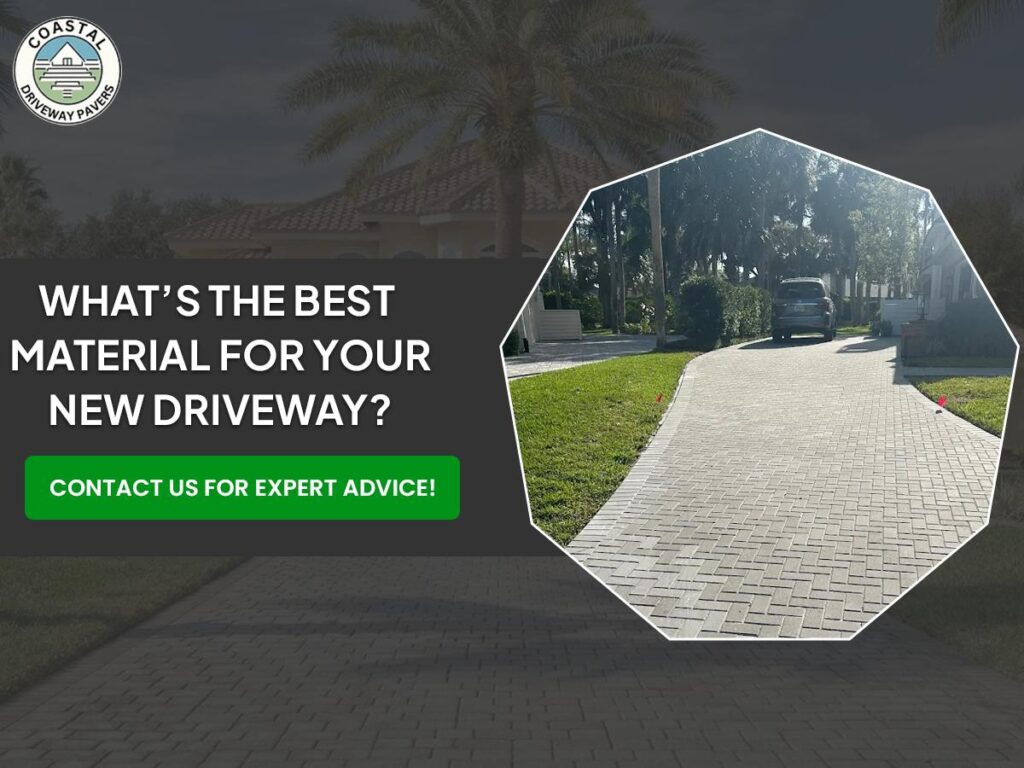
Sealing is a key preventive measure for pavers. Quality sealants form a barrier against moisture, stains and UV exposure, slowing deterioration and preserving colour. Regular sealing also reduces moss and weed encroachment that can weaken joints. Most pavers benefit from resealing every 1–3 years, depending on the product and site conditions.
Choose water-based or low‑VOC sealers for effective protection without harmful solvents. Local Jacksonville suppliers stock products formulated for Florida’s climate to ensure long‑term performance.
Although this guide focuses on driveway pavers, state‑level preservation practices for concrete structures such as bridge decks can provide useful context on material durability in Florida’s environment.
Concrete Crack Sealers & Florida’s Preservation Practices
The study notes improved durability for wider cracks and discusses methacrylate crack sealers where environmental conditions warrant. It also records that Florida reported using neither deicers nor sealers.
Development of a Cost-Effective Concrete Bridge Deck Preservation Program, RJ Frosch, 2016
| Product | Type | Price |
|---|---|---|
| Eco-Seal | Water-based | ~$149 |
| Polymeric Sand | Joint filler | ~$89 |
| Heavy-Duty Sealant | Solvent-based | ~$199 |
These products improve appearance and offer long‑term protection against weathering and staining.
Cleaning Methods
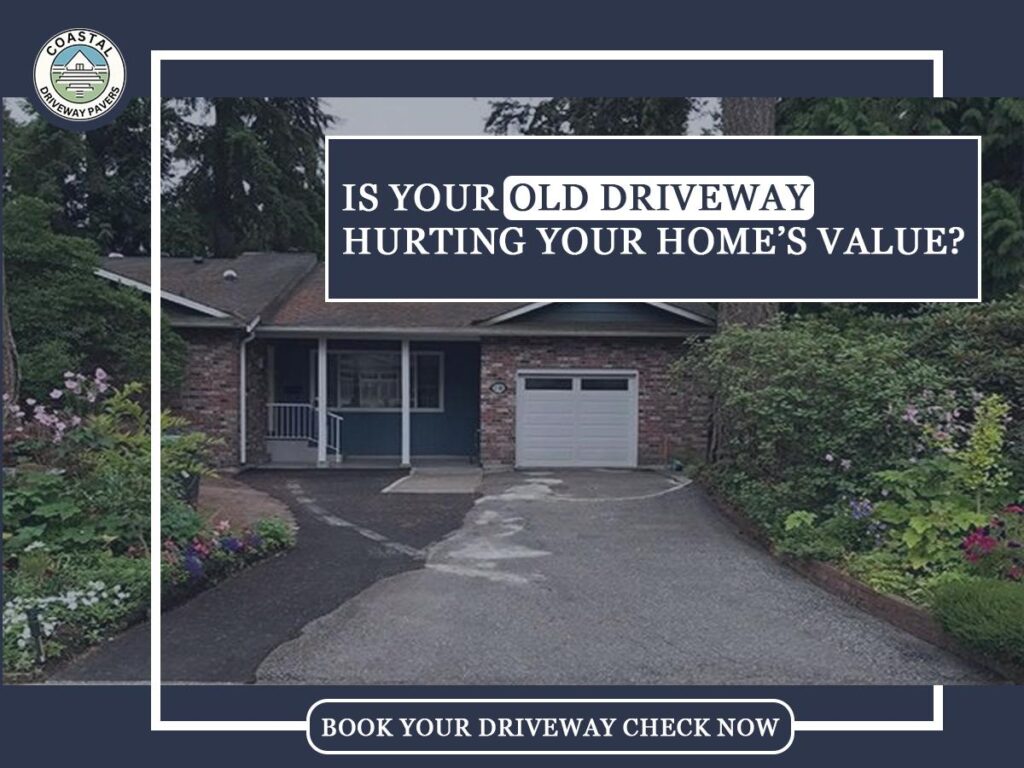
Routine cleaning preserves appearance and slows surface deterioration. Dirt, grime and stains build up over time and can lead to colour loss and wear, so use appropriate cleaning methods to address common soiling and stains.
- Pressure Washing: This method effectively removes dirt and stains without damaging the pavers; use a pressure washer with a fan tip to avoid etching the surface.
- Mild Detergent Solution: For routine cleaning, a mixture of water and mild detergent works well—scrub the surface with a stiff brush to lift stains.
- Stain Removal Products: For tougher stains, use specialized stain removers designed for pavers and always follow the manufacturer’s instructions.
Consistent use of these methods helps keep pavers looking new and reduces the need for long‑term repairs.
How Often Should You Clean Your Driveway Pavers to Prevent Stains?
Clean at least twice a year to prevent stains and maintain appearance; regular cleaning also contributes to a longer service life for the pavers.
Repairing and Replacing Damaged Pavers
Pavers can be damaged by settling, traffic loads or extreme weather. Early detection prevents more extensive repair—watch for the common signs below and address them promptly to preserve surface integrity.
- Cracks or Chips: Small cracks can often be repaired with a patching compound, while larger chips may require replacement.
- Uneven Surfaces: If pavers are shifting or sinking, they may need to be lifted and re-leveled.
- Discoloration: Faded or stained pavers can often be restored with cleaning and sealing.
When replacing pavers, match the material, size and colour to maintain a uniform appearance and consistent load performance.
Weed Control and Joint Sand Maintenance
Weeds detract from appearance and can destabilize joints if left unchecked; implement regular inspection and removal to protect the paving system.
- Regular Inspection: Check for weeds regularly and remove them by hand or with a hoe.
- Polymeric Sand: Using polymeric sand in the joints helps prevent weed growth by hardening and creating a barrier.
- Herbicides: If weeds persist, consider a targeted herbicide that is safe for use around pavers.
Keep joint sand replenished as needed. Proper joint fill preserves interlock, reduces movement and helps prevent shifting.
Joint integrity affects more than weed growth; fluid absorption at joints can accelerate premature deterioration of concrete pavements.
Preventing Concrete Pavement Deterioration from Fluid Absorption
Concrete pavements generally perform well long term, but some have shown premature joint deterioration. Research suggests fluid absorption at the joints may contribute to this damage, prompting study of mechanisms, material properties and sealing solutions.
An overview of joint deterioration in concrete pavement: Mechanisms, solution properties, and sealers, Y Farnam, 2013
Seasonal Maintenance Tips for Florida Climate
Florida’s climate requires targeted seasonal care. Follow season‑specific actions to reduce weather‑related wear and preserve paver performance.
- Spring: Inspect for any winter damage and perform a thorough cleaning; reapply sealant if necessary.
- Summer: Monitor for weed growth and address any issues promptly; ensure proper drainage to prevent water pooling.
- Fall: Clean up leaves and debris that can trap moisture and lead to mold growth, and check for signs of damage.
- Winter: While winters are mild, inspect for any cracks or shifting that may have occurred during the warmer months.
Apply these seasonal measures to keep your driveway pavers sound and attractive throughout the year.
For those considering enhancing their outdoor spaces, driveway extension services can provide additional space and improve overall functionality.
If you’re looking to enhance aesthetic appeal, consider options for driveway installation. A professionally installed driveway can boost your home’s curb appeal.
For commercial properties, durable and attractive surfaces are crucial. Commercial pavers offer a robust solution that can withstand heavy traffic and enhance your business’s appearance.
Frequently Asked Questions
What are the signs that my driveway pavers need repair?
Visible cracks or chips, uneven or sinking pavers, and persistent discoloration are common signs that repair is needed. Small cracks can often be patched; larger damage or differential settlement may require paver replacement or re‑leveling. Regular inspections let you address issues before they worsen and protect the driveway’s structural performance.
How can I prevent weed growth in my driveway pavers?
Prevent weeds by installing polymeric sand in the joints to harden and block growth. Remove sprouts promptly and inspect joints regularly. If weeds persist, use a targeted herbicide formulated for use around pavers. Maintaining joint sand is essential to reduce recurrence and keep pavers stable.
What is the best time of year to seal my driveway pavers?
The best time to seal pavers is during the dry season—typically late spring or early fall—when temperatures are moderate and humidity is lower; these conditions allow sealants to cure properly. Reapply sealant every 1–3 years, depending on product and exposure.
Can I use a pressure washer to clean my driveway pavers?
Yes. A pressure washer is effective for removing dirt and stains when used correctly—use a fan tip and appropriate pressure settings to avoid etching the paver surface. For routine maintenance, combine pressure washing with a mild detergent solution as needed.
How often should I perform maintenance on my driveway pavers?
Perform basic maintenance at least twice a year. This should include cleaning, joint inspection and addressing weeds or cracks. In Florida, seasonal checks are particularly important due to humidity and storm activity. Regular care extends paver life and reduces repair costs.
What types of sealants are recommended for driveway pavers in Florida?
Eco‑friendly and water‑based sealants are commonly recommended because they protect against moisture, stains and UV exposure with lower VOCs. Local Jacksonville suppliers carry products formulated for the climate. Always select a sealer compatible with your paver material for optimal results.