
Paver Driveway Maintenance Tips for Longevity and Beauty
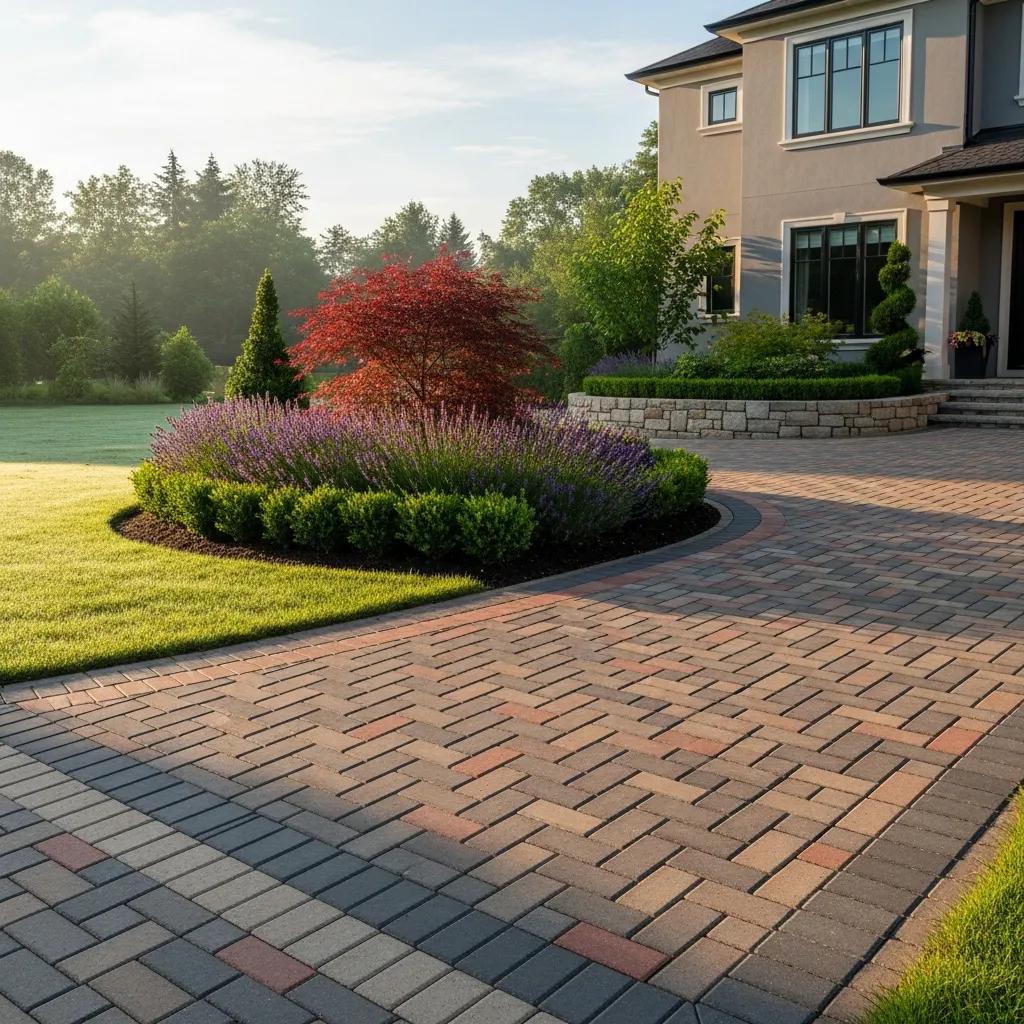
Maintaining a paver driveway is essential for preserving its beauty and extending its lifespan. Paver driveways are not only functional but also enhance the curb appeal of your home. This article will provide you with valuable tips on how to care for your paver driveway, ensuring it remains in excellent condition for years to come. You will learn about the importance of regular cleaning, re-sanding, sealing, weed control, and timely repairs. By following these maintenance tips, you can prevent costly repairs and keep your driveway looking its best.
Regular Cleaning
Regular cleaning is crucial for maintaining the appearance and longevity of your paver driveway. Over time, dirt, debris, and stains can accumulate, detracting from its aesthetic appeal. Cleaning your driveway not only enhances its look but also prevents the growth of weeds and moss. To effectively clean your paver driveway, it is recommended to sweep it regularly and wash it with water and mild detergent as needed.
How Often Should You Clean Your Paver Driveway to Maintain Its Appearance?
To maintain its appearance, you should clean your paver driveway at least once a month. Regular sweeping helps remove loose debris, while a thorough wash can be done every few months to eliminate stubborn stains. For tougher stains, consider using a pressure washer, but ensure you use it at a safe distance to avoid damaging the pavers.
Re-sanding
Re-sanding is an essential part of paver driveway maintenance that involves replacing the sand in the joints between the pavers. This process helps to stabilize the pavers and prevent shifting. Over time, the joint sand can wash away due to rain or be displaced by foot traffic.
What Types of Joint Sand Are Recommended for Florida Driveways?
For Florida driveways, polymeric sand is highly recommended. This type of sand contains additives that help it harden when wet, preventing erosion and weed growth. Regularly checking and replenishing the joint sand will ensure your driveway remains stable and visually appealing.
Sealing
Sealing your paver driveway is a vital maintenance step that protects it from stains, moisture, and UV damage. A high-quality sealer can enhance the color of the pavers and provide a protective barrier against the elements.
What Are the Benefits and Best Practices of Seal Coating for Paver Driveways?
The benefits of seal coating include enhanced appearance, protection against stains, and ease of maintenance. It is best to apply sealant every 1-3 years, depending on the product used and the driveway’s exposure to the elements. For optimal results, ensure the driveway is clean and dry before application.
How Does Seal Coating Protect Against Surface Damage and Enhance Durability?
Seal coating protects against surface damage by creating a barrier that prevents moisture from penetrating the pavers. This barrier helps to reduce the risk of cracking and fading, ultimately extending the lifespan of your driveway.
When and How Should Seal Coating Be Applied for Optimal Results?
Seal coating should be applied during dry weather when temperatures are above 50°F. The application process involves cleaning the surface, allowing it to dry, and then applying the sealer evenly with a roller or sprayer. Curing time varies by product, so follow the manufacturer’s instructions for best results.
Weed Control
Weed control is essential for maintaining the integrity and appearance of your paver driveway. Weeds can grow in the joints between pavers, leading to unsightly gaps and potential damage.
What Are Effective Weed Prevention Strategies for Paver Joints?
To prevent weeds, consider the following strategies:
- Regular Inspections: Check for any signs of weed growth and address them promptly.
- Use of Landscaping Fabric: Installing landscaping fabric beneath the pavers can help prevent weed growth.
- Proper Joint Sand: Using polymeric sand can also deter weed growth due to its hardening properties.
Timely Repairs
Addressing cracks and damages promptly is crucial for maintaining your paver driveway. Ignoring minor issues can lead to more significant problems down the line.
What Are the Essential Repair Tips for Addressing Cracks and Damages in Paver Driveways?
- Regular Inspections: Conduct regular inspections to identify any cracks or shifting pavers.
- Reinforcing the Base: Ensure the base is stable to prevent further damage.
- Prompt Repairs: Address any cracks or damages as soon as they are noticed to prevent them from worsening.
How to Identify Common Causes of Paver Driveway Cracks?
Common causes of cracks in paver driveways include insufficient joint sand, poor base preparation, and weather conditions. Regular maintenance and inspections can help identify these issues early.
What Are Step-by-Step Methods for Repairing Damaged Pavers?
To repair damaged pavers, follow these steps:
- Remove the Affected Paver: Carefully lift the damaged paver from its position.
- Replace with a New Paver: Insert a new paver that matches the existing ones.
- Reapply Joint Sand: Fill the joints with fresh sand to secure the new paver in place.
Frequently Asked Questions
What are the signs that my paver driveway needs maintenance?
Signs that your paver driveway needs maintenance include visible cracks, shifting pavers, and the presence of weeds in the joints. Additionally, if you notice stains or discoloration, it may indicate that cleaning or sealing is necessary. Regular inspections can help identify these issues early, allowing you to address them before they escalate into more significant problems. Keeping an eye on the overall appearance and stability of your driveway will help maintain its beauty and functionality.
Can I apply sealant over an existing layer of sealer?
Yes, you can apply sealant over an existing layer, but it is crucial to ensure that the previous layer is in good condition. If the old sealer is peeling or flaking, it should be removed before applying a new coat. Cleaning the surface thoroughly is essential to ensure proper adhesion of the new sealant. Always follow the manufacturer’s instructions regarding compatibility and application methods to achieve the best results and protect your paver driveway effectively.
What is the best time of year to perform maintenance on my paver driveway?
The best time to perform maintenance on your paver driveway is during the spring or fall when temperatures are moderate and weather conditions are stable. Avoid extreme heat or cold, as these can affect the effectiveness of cleaning products and sealants. Additionally, performing maintenance during dry weather ensures that the driveway is clean and free from moisture, allowing for optimal adhesion of sealants and effective cleaning of stains and debris.
How can I enhance the curb appeal of my paver driveway?
To enhance the curb appeal of your paver driveway, consider regular cleaning, re-sanding, and sealing to maintain its appearance. Adding decorative elements such as edging stones or landscaping features can also elevate its aesthetic. Additionally, incorporating outdoor lighting along the driveway can create a welcoming ambiance at night. Regularly trimming surrounding plants and ensuring the driveway is free of debris will further enhance its visual appeal and complement your home’s exterior.
What should I do if my paver driveway has uneven surfaces?
If your paver driveway has uneven surfaces, it may be due to settling or shifting of the base material. Start by identifying the affected areas and carefully lifting the pavers. Check the base for stability and add or compact additional gravel or sand as needed. Once the base is level, replace the pavers and reapply joint sand to secure them. If the issue persists, consulting a professional may be necessary to assess and address underlying problems effectively.
Are there any eco-friendly options for maintaining my paver driveway?
Yes, there are several eco-friendly options for maintaining your paver driveway. For cleaning, consider using biodegradable detergents or natural solutions like vinegar and baking soda to remove stains. Instead of chemical herbicides, opt for organic alternatives to control weeds. Additionally, using permeable pavers can help manage stormwater runoff and reduce environmental impact. Regular maintenance practices, such as re-sanding with eco-friendly materials, can also contribute to a more sustainable approach to driveway care.
What is the best way to clean oil stains from a paver driveway?
To effectively clean oil stains from a paver driveway, start by absorbing excess oil with paper towels or rags. Then, sprinkle a generous amount of baking soda or cat litter over the stain and let it sit for several hours to absorb the oil. Afterward, scrub the area with a mixture of warm water and a mild detergent. For stubborn stains, consider using a specialized degreaser designed for pavers. Rinse thoroughly with water to remove any residue and prevent further staining.
Can I use a pressure washer on my paver driveway?
Yes, you can use a pressure washer on your paver driveway, but caution is essential. Set the pressure to a low setting to avoid dislodging the pavers or damaging the joint sand. Maintain a safe distance of at least 12 inches from the surface while washing. Use a fan spray nozzle rather than a concentrated stream to distribute the pressure evenly. This method can effectively remove dirt and stains without harming the integrity of the pavers.
How can I prevent weeds from growing in my paver driveway?
To prevent weeds from growing in your paver driveway, regularly inspect the joints for any signs of growth and address them immediately. Using polymeric sand during installation can help, as it hardens and creates a barrier against weed growth. Additionally, applying a pre-emergent herbicide can be effective in preventing weed seeds from germinating. Regular maintenance, including cleaning and re-sanding, will also help keep weeds at bay.
What should I do if my paver driveway starts to sink?
If your paver driveway starts to sink, it may indicate an issue with the base or joint sand. Begin by identifying the affected area and carefully lifting the pavers. Check the base for compaction and stability; if it’s inadequate, you may need to reinforce it with additional gravel or sand. After addressing the base, replace the pavers and reapply joint sand to secure them. If the problem persists, consider consulting a professional for a thorough assessment.
How often should I re-sand my paver driveway?
Re-sanding your paver driveway should be done at least once a year, or more frequently if you notice that the joint sand has washed away or become compacted. Regular inspections will help you determine when re-sanding is necessary. If you live in an area with heavy rainfall or foot traffic, you may need to re-sand more often to maintain stability and prevent weed growth. Using polymeric sand can also extend the time between re-sanding sessions.
Is it necessary to seal my paver driveway every year?
Sealing your paver driveway is not necessarily required every year; typically, it should be done every 1-3 years, depending on the type of sealer used and environmental factors. If your driveway is exposed to harsh weather conditions or heavy traffic, more frequent sealing may be beneficial. Regularly inspect the surface for signs of wear, such as fading or stains, to determine if it’s time for a new seal coat. Always follow the manufacturer’s recommendations for the best results.