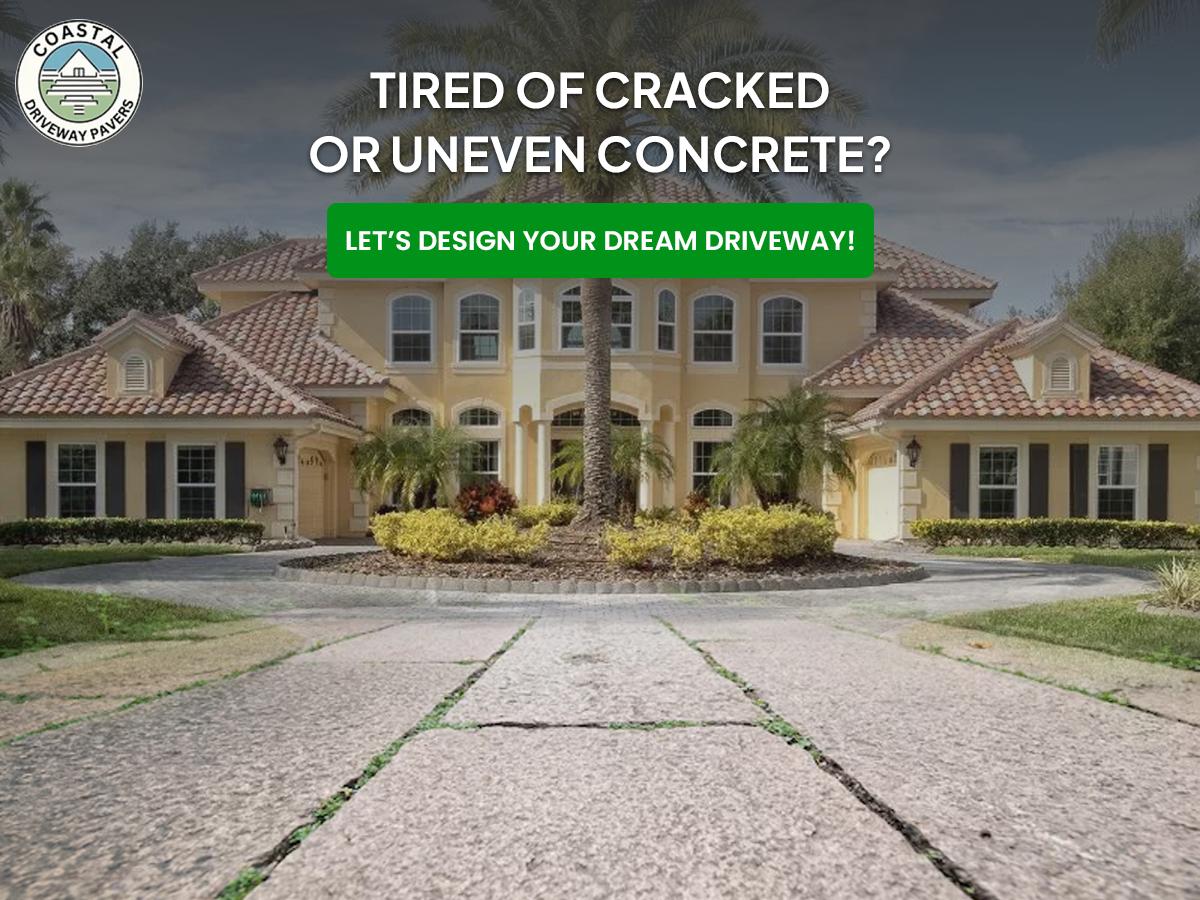
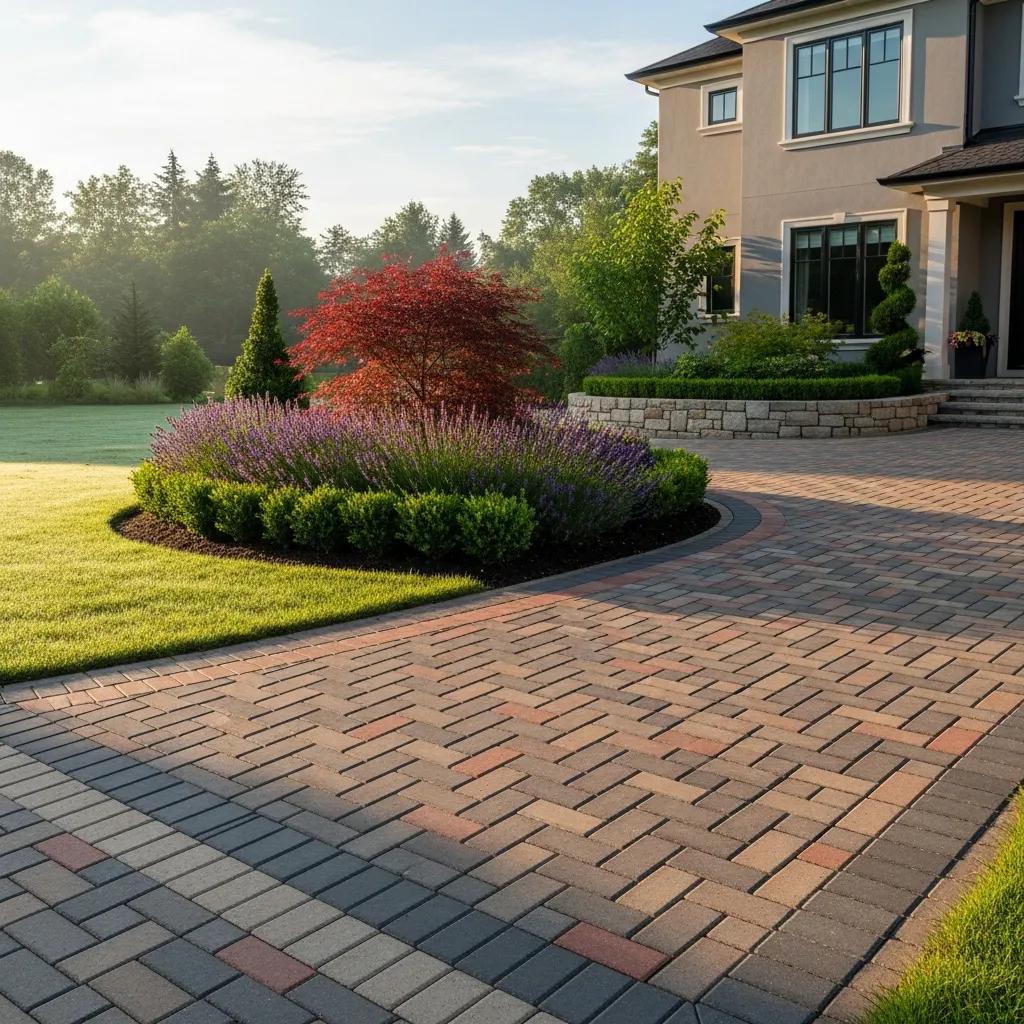
Top 5 Problems from Poorly Installed Driveway Pavers — How to Prevent and Fix Them
Correct installation is the difference between a driveway that lasts decades and one that needs constant repair. Too often homeowners face avoidable problems caused by poor installation practices. Below we walk through the five most common issues from improper paver work, how to spot them, and practical fixes that prevent costly rework. With a little know-how you can protect your driveway’s look and function — and save on future repairs.
What Are the Most Common Problems from Poor Driveway Paver Installation?
Poorly installed driveway pavers cause headaches that affect both use and curb appeal. Knowing the usual failure points makes it easier to catch problems early. The issues we see most often are:
- Paver sinking: A weak or under‑compacted base lets pavers settle unevenly, creating dips and trip hazards.
- Cracking: Lack of proper joint sand, inferior pavers, or a poorly prepared base can lead to cracks over time.
- Weed growth: When joint sand is missing or joints aren’t sealed, weeds take hold and undermine the paving.
- Water pooling: Insufficient drainage or incorrect slope causes standing water, which accelerates damage.
- Edge restraint failure: Missing or broken edge restraints allow borders to spread and pavers to shift out of place.
Spotting these early saves time and money. Coastal Driveway Pavers installs with the right materials and methods to avoid these common failures so your driveway stays solid and attractive.
Which Signs Indicate Poor Paver Installation?
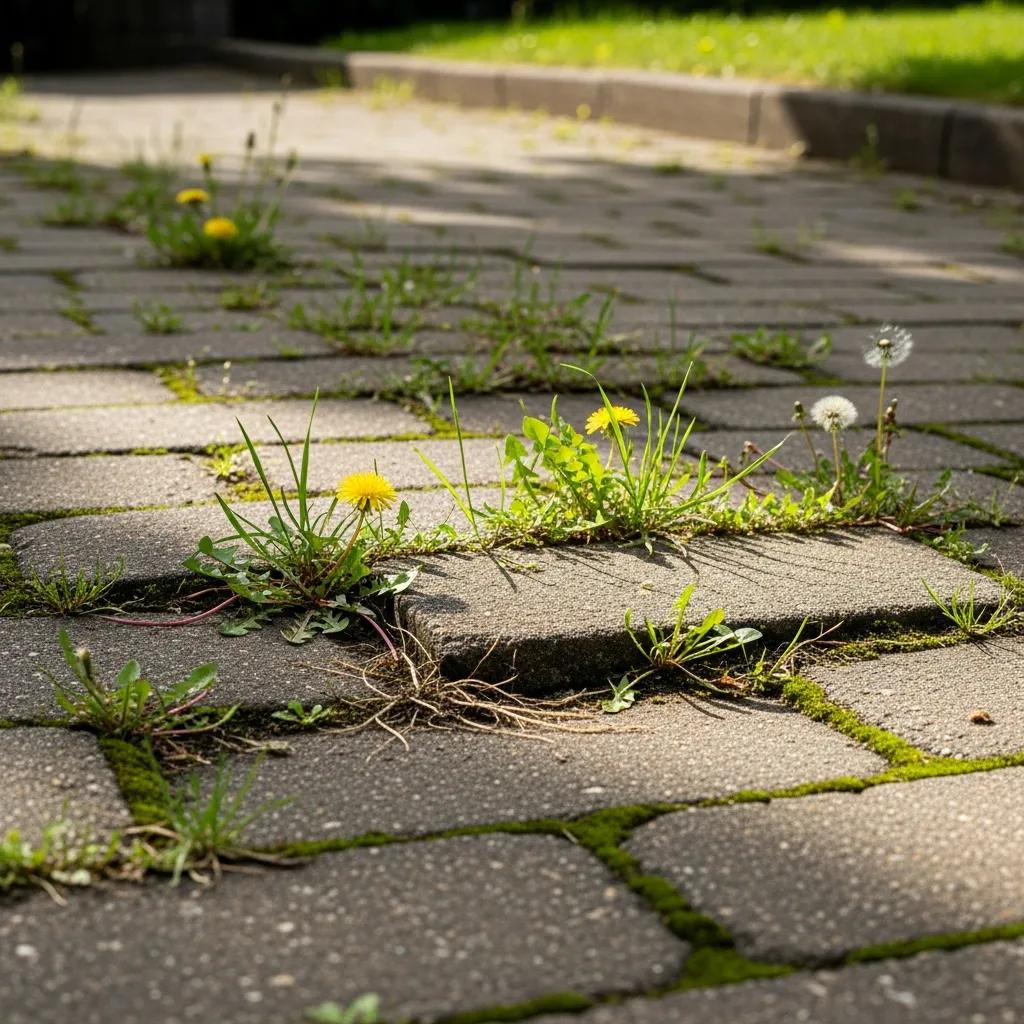
Be on the lookout for clear warning signs. Common indicators of a bad installation include:
- Uneven surfaces: A bumpy or sinking driveway usually means the base wasn’t compacted correctly.
- Visible cracks: Cracks can mean poor materials or incorrect installation techniques.
- Weed growth: Plants sprouting from joints point to lost or missing joint sand and absent sealing.
- Water accumulation: Puddles after rain indicate poor slope or drainage that needs fixing.
Catch these issues early and you can often repair the problem without ripping out the whole driveway.
How Does Poor Base Preparation Lead to Paver Failures?
The base is the foundation — if it’s wrong, everything above it suffers. Common base-related failures include:
- Sinking pavers: A thin or loose base will compress and let pavers drop, creating uneven areas.
- Cracking: Without adequate support the pavers take on stress and can crack.
- Shifting: An unstable base allows sections to move, reducing the driveway’s structural integrity.
Proper base work uses the right aggregate (usually crushed stone or gravel), correct depth, and thorough compaction to create a stable, long‑lasting foundation.
How Does Inadequate Drainage Affect Driveway Pavers?
What Are the Consequences of Water Pooling on Pavers?
Water that sits on or under pavers speeds up failure and creates several problems:
- Erosion of joint sand: Flowing or standing water washes out the sand that locks pavers together, causing instability.
- Mold and mildew growth: Damp conditions encourage mold, mildew, and stains that harm appearance and surface integrity.
- Cracking and shifting: Water weakens the base, which can lead to movement and cracks over time.
Addressing drainage problems quickly protects both the look and lifespan of your driveway.
How Can Proper Drainage Solutions Prevent Paver Problems?
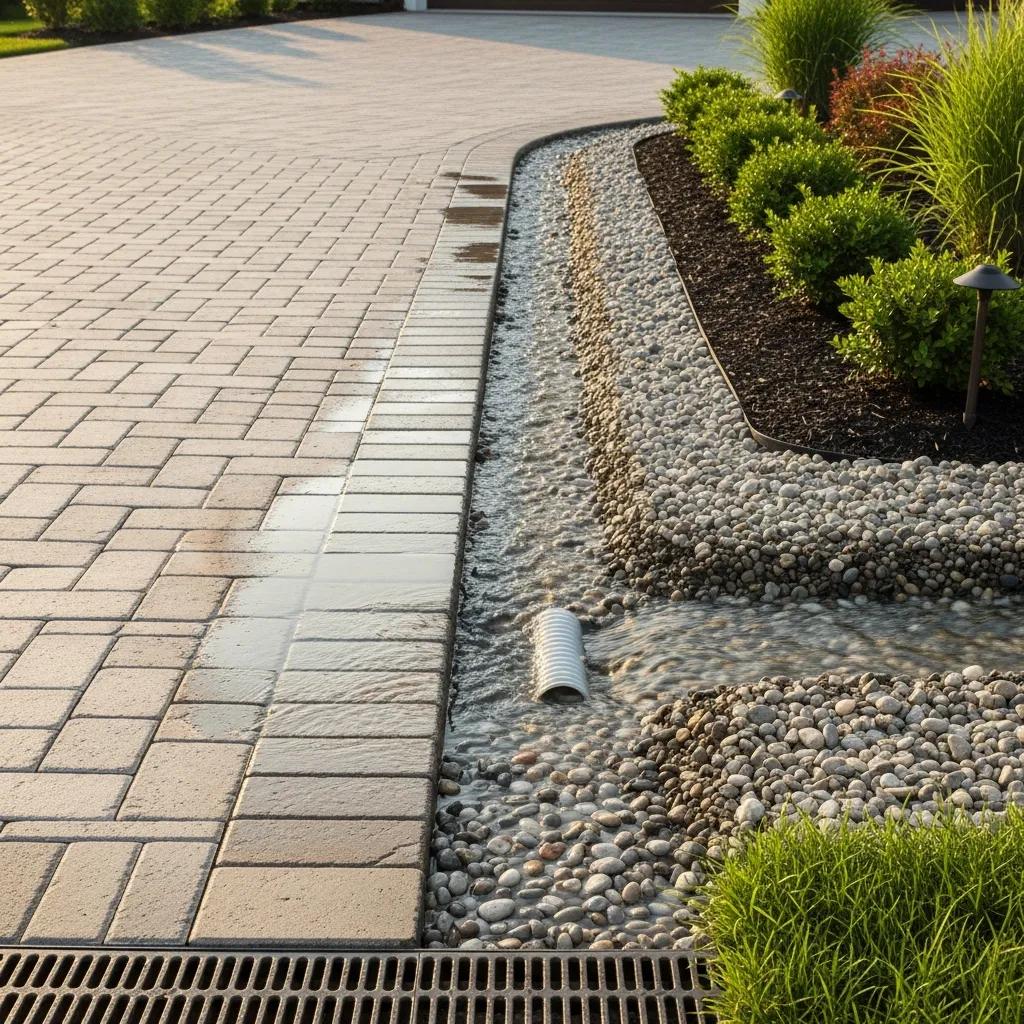
Good drainage reduces water-related damage. Effective options include:
- Installing French drains: These redirect subsurface water away from the driveway.
- Using permeable pavers: Permeable systems let water pass through, cutting down on runoff and pooling.
- Creating a proper slope: A slight grade (typically 1–2%) away from structures ensures water flows off the surface.
Investing in the right drainage solutions today prevents costly repairs tomorrow.
Why Is Edge Restraint Failure a Critical Issue for Driveway Pavers?
How Do Missing or Damaged Edge Restraints Cause Paver Movement?
Edge restraints hold the layout together. When they fail, common consequences are:
- Shifting pavers: Borders can spread and individual pavers move, ruining the pattern and level surface.
- Increased weed growth: Gaps created by movement invite weeds and debris into joints.
- Cracking: Movement increases stress on pavers, which can lead to cracks.
Keeping edge restraints sound is a small step that protects the entire paving system.
What Are Effective Methods to Repair and Reinforce Edge Restraints?
To fix or strengthen edge restraints, consider these approaches:
- Reinstall missing restraints: Replace absent edges to restore alignment and containment.
- Reinforce existing restraints: Add concrete or metal edging for extra support and longevity — see our concrete options.
- Regular inspections: Periodic checks catch early movement before it becomes a bigger job.
Simple reinforcement and routine care keep edges tight and pavers locked in place.
What Causes Weed Growth and Joint Sand Problems in Driveway Pavers?
How Does Joint Sand Washout Lead to Weeds and Instability?
Joint sand is the glue between pavers. When it washes out from heavy rain, poor drainage, or lack of sealing, the result is:
- Weed growth: Open joints let seeds settle and sprout.
- Paver movement: Without sand to stabilize them, pavers can shift and form uneven areas.
Keeping joints full and protected stops weeds and keeps the surface stable.
What Maintenance Practices Prevent Weed Infestation and Joint Sand Loss?
Routine maintenance prevents most joint problems:
- Regular sealing: Sealants help lock joint sand in place and reduce weed seeds taking root.
- Weed control: Use targeted herbicides or pull weeds by hand to keep joints clear.
- Replenish joint sand: Top up sand as needed to maintain a tight, interlocked surface.
These small actions extend the life and appearance of your driveway.
How Do Cracking and Shifting Affect Driveway Paver Durability?
What Are the Main Causes of Cracks and Paver Movement?
Cracks and movement usually come from a few recurring issues:
- Poor installation: Inadequate base work, wrong joint sand, or missing edge restraints lead to instability.
- Weather: Big temperature swings make materials expand and contract, which can cause cracking.
- Heavy loads: Loads beyond what the pavers were designed for can stress and displace them.
Knowing these causes helps you choose fixes that prevent the problem from returning.
How Can Homeowners Repair and Prevent Cracking and Shifting?
To address and prevent cracking and shifting, follow these steps:
- Regular inspections: Spot issues early to avoid larger repairs.
- Reinforce the base: A properly compacted, deep base prevents most future movement.
- Choose quality materials: Good pavers and joint sand resist wear and stay stable longer.
Take these proactive steps and your driveway will stay serviceable and attractive for many years.
If you need more space or improved functionality, consider a driveway extension to handle extra vehicles or create safer access — a smart upgrade that adds value and convenience.
| Issue | Cause | Solution |
|---|---|---|
| Paver sinking | Poor base preparation or inadequate compaction | Correct compaction and use proper base materials |
| Cracking | Insufficient joint sand, poor base, or low-quality pavers | Replenish joint sand, reinforce the base, and use quality pavers |
| Weed growth | Exposed joints from sand washout or lack of sealing | Seal joints, maintain sand, and apply weed control |
| Water pooling | Inadequate drainage or improper slope | Install French or channel drains, use permeable pavers, and correct slope |
| Edge restraint failure | Missing or damaged restraints | Inspect regularly, reinstall missing restraints, and reinforce edges |
This quick reference shows common issues, what causes them, and practical fixes you can rely on when planning repairs or upgrades.
Understanding these frequent problems and following the preventative steps above will help your driveway stay functional and attractive for years. Coastal Driveway Pavers is committed to quality installations and routine care to keep your pavement performing its best.
Frequently Asked Questions
What materials are best for driveway paver installation?
Choose materials that match your budget, style, and expected use. Common choices are concrete, brick, and natural stone. Concrete pavers are strong and versatile; brick gives a classic look; natural stone offers a high‑end finish but typically costs more. Also consider local climate and the loads your driveway will carry when selecting materials.
How often should I inspect my driveway pavers?
Inspect your driveway at least twice a year — spring and fall are good times. Look for cracking, shifting, sinking, weeds, and drainage issues. After heavy storms or unusual weather, do a quick check to catch problems early before they grow.
Can I install driveway pavers myself, or should I hire a professional?
DIY is possible for small projects if you have the right tools and patience, but hiring a professional usually delivers better, longer‑lasting results. Pros ensure proper base depth, compaction, drainage, and edge restraints — all critical to avoid future repairs. If you DIY, study best practices and use quality materials.
What is the average lifespan of driveway pavers?
Lifespan depends on material, installation quality, and maintenance. Concrete pavers commonly last 25–50 years; brick 20–30 years; natural stone can exceed 50 years with proper care. Regular sealing and joint maintenance extend service life.
How can I improve drainage for my driveway?
Improve drainage by adding French or channel drains, choosing permeable pavers, and ensuring the driveway slopes away from structures (about 1–2%). Keep gutters and drains clear of debris so water flows where it should.
What should I do if my driveway pavers start to shift?
If pavers shift, inspect edge restraints first. Repair or reinstall any damaged edges, recompact the base where needed, and reset affected pavers. For large or recurring movement, consult a professional to diagnose and correct the underlying base or drainage issue.